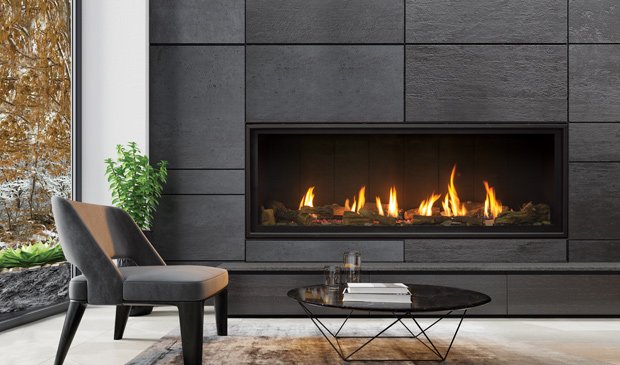
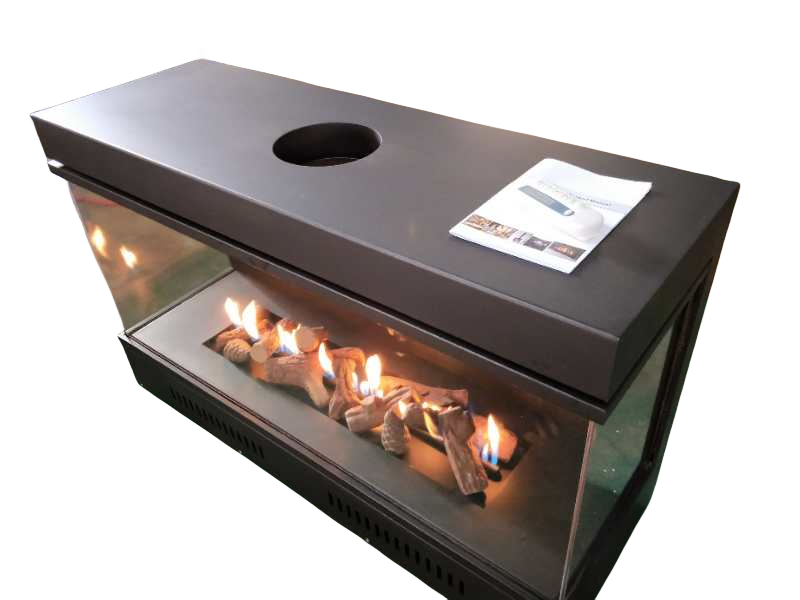
The RX-500FS, as a manual square ethanol fireplace, must follow the following standard procedures and safety points when using ethanol as fuel:
1、 Fuel selection and storage
Fuel specifications
95% concentration bioethanol fuel (ethanol extracted from plants) must be used, and the use of methanol, industrial alcohol, or other low purity fuels is strictly prohibited. Low purity fuel may cause incomplete combustion, produce pungent odors, or damage internal sensors of the fireplace.
Storage requirements
Fuel should be stored in a cool, well ventilated, and away from sources of ignition.
Avoid direct sunlight or high temperature environments to prevent fuel evaporation or spontaneous combustion.
The storage container should be sealed to prevent children or pets from coming into contact.
2、 Fuel addition process
Add timing
Add fuel only after the fireplace has completely cooled down (wait for 10-20 minutes after combustion is complete).
It is strictly prohibited to add fuel when the fireplace is burning or not cooled, otherwise it may cause fire or burns.
Add steps
Step 1: Open the fireplace fuel tank cover and slowly pour in the fuel using a specialized funnel or tool.
Step 2: The fuel level should be 10-15 centimeters below the combustion port to avoid overflow.
Step 3: After adding, check for any leaks around the fuel tank. If there are any leaks, immediately wipe them clean and reseal them.
Overflow handling
If fuel is accidentally spilled, it should be thoroughly wiped clean with a dry cloth to ensure no residue before ignition.
It is strictly prohibited to ignite without drying the fuel, otherwise it may cause detonation.
3、 Ignition and combustion operation
Preparation before ignition
Ensure that the fireplace is placed on a level and stable surface, away from flammable materials and poorly ventilated areas.
Check if the fuel tank cap is tightened to prevent fuel evaporation during combustion.
Ignition steps
Method 1 (manual ignition):
Dip a small amount of fuel into the ignition rod and quickly place it into the combustion chamber after ignition.
Maintain a safe distance of 20-30 centimeters between the ignition rod and the combustion chamber to avoid explosion and burns.
Method 2 (Automatic ignition, if equipped):
Press the ignition button on the remote control or panel, and the fireplace will automatically draw in fuel and ignite.
Observe whether the flame is stable. If the flame is abnormal (such as flickering or color deviation), immediately turn it off and check the fuel.
Combustion regulation
The flame height is usually 10-30 centimeters, which is affected by indoor ventilation conditions.
The RX-500FS is a manually adjustable type, and if the flame size needs to be adjusted, it can be achieved by controlling the fuel supply (such as some models equipped with fuel pumps or valves).
4、 Safety usage regulations
Precautions during use
No unattended operation is allowed: someone must be present during the burning process, and children or pets should be avoided from approaching.
Maintain ventilation: Ensure indoor air circulation to prevent the accumulation of carbon dioxide or the generation of carbon monoxide (if not fully burned).
Keep away from flammable materials: Curtains, paper, and other flammable materials should not be placed within 50-60 centimeters around the fireplace.
Shutdown and shutdown
Normal shutdown:
Manual type: Use the ignition rod to turn the combustion slot door to close the flame.
Automatic type: Press the shutdown button on the remote control or panel.
Emergency situation: If the flame loses control, immediately close the fuel supply valve and use a fire extinguisher to extinguish it.
Long term discontinuation
Drain the remaining fuel from the fuel tank to prevent volatilization or leakage.
Clean the combustion chamber and fuel tank, keep them dry, and store them.
5、 Maintenance and troubleshooting
regular cleaning
The combustion box and fuel tank need to be regularly cleaned of residues to prevent blockage or corrosion.
Wipe the surface of the fireplace with a dry cloth and avoid using corrosive cleaning agents.
Fault handling
Ignition failure: Check if there is sufficient fuel, if the ignition rod is dry, and if the sensors are sensitive.
Flame abnormality: Confirm fuel purity, ventilation condition, or contact after-sales for burner testing.
Fuel leakage: Stop using immediately, check if the seals are aging, replace and test for leaks before ignition.